


Not rated yet
Emanrux Shaders
The next upgrade in the Minecraft Shader Space. Well-optimized high-quality visuals that beats the rest!
Creators and Publishers

MinecraftStorage
PublisherAdditional Links
You may find some useful information by following these links

https://github.com/Emanrux-dev/Emanrux-Shader
Share this post


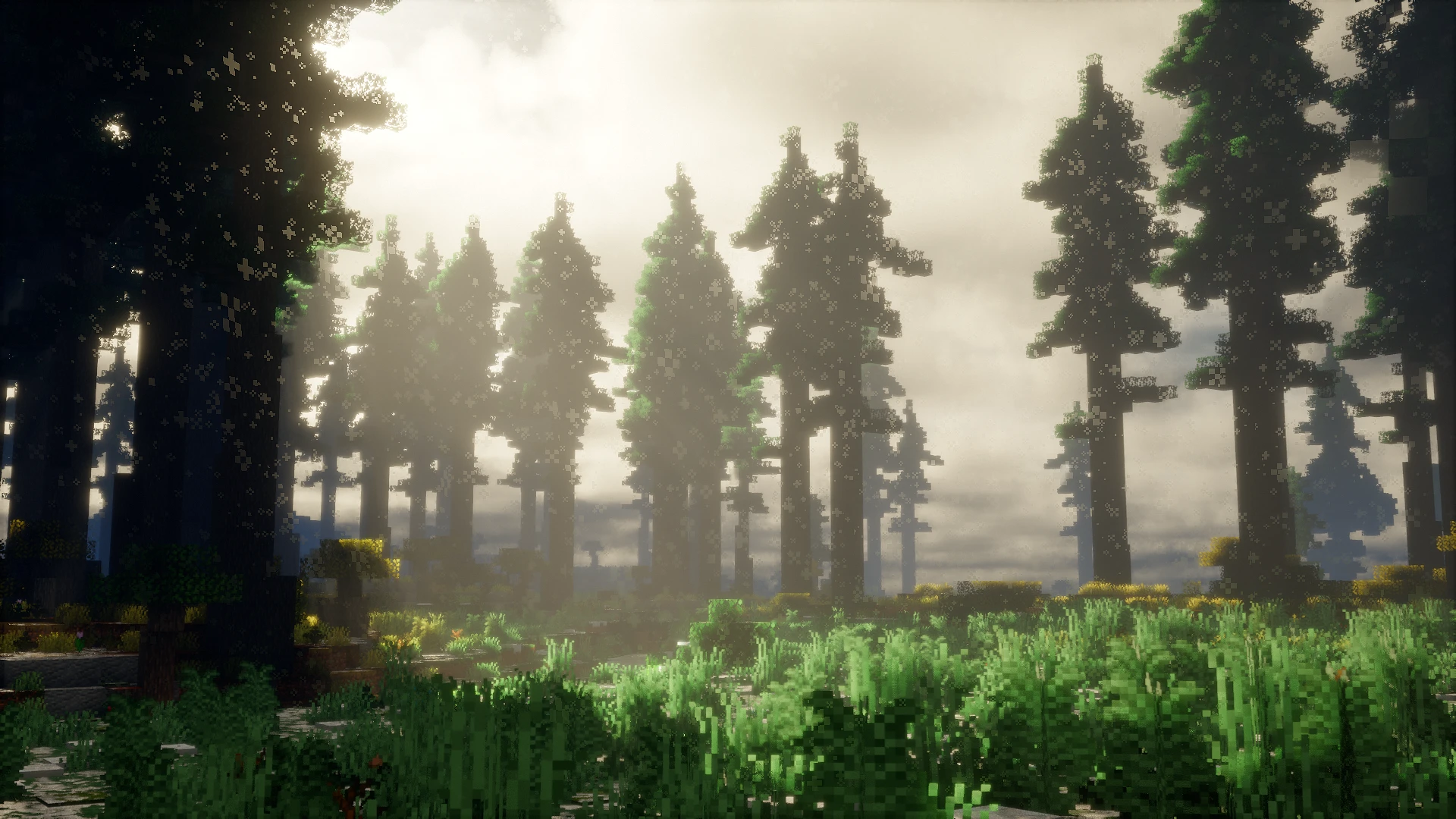
Emanrux is a shader pack based on the popular Eclipse shader pack. While Eclipse gained itself a spot as one of the best looking, well-optimized shaders for Minecraft, Emanrux takes it to the next level. The pack contains all the basic high-end shader feature such as volumetric light, volumetric clouds, etc. Let us keep them aside and take a detailed look at some of the new features introduced by this amazing pack.
Dynamic Rain on Glass (light/realistic)
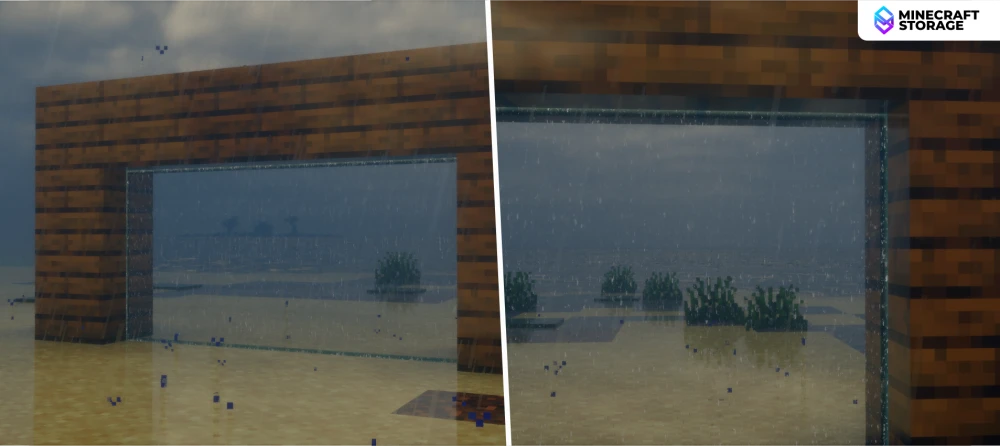
Raindrops now slide down glass surfaces in a realistic, dynamic manner instead of just splashing as a static overlay. This adds a subtle but immersive touch during storms, making windows and glass blocks feel more alive when it rains. It's a small detail that significantly boosts the atmosphere of rainy weather in-game.
Borderless Connected Glass and Colors
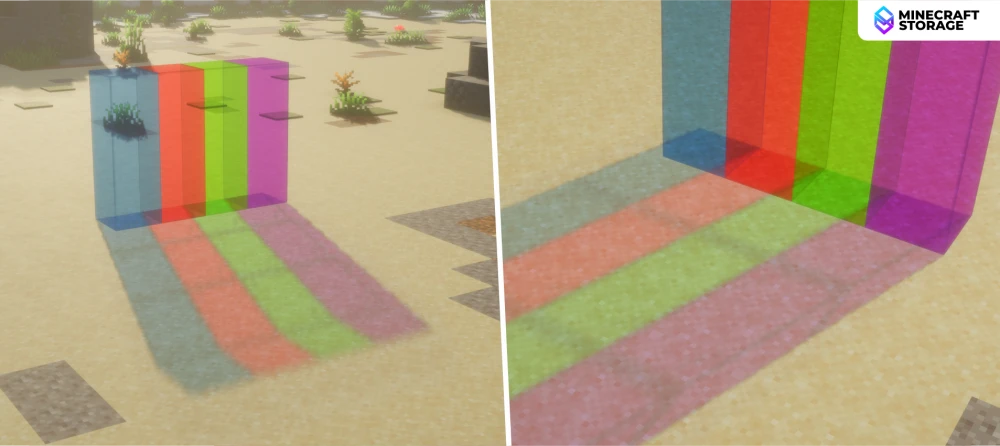
Glass blocks placed next to each other now blend seamlessly without visible borders, achieving a cleaner look natively through the shader rather than requiring a separate texture pack. This gives builds with large glass structures — like greenhouses or modern builds — a much more polished, professional appearance. When light passes through colored glass blocks, they will actually pick the color of the glass and the light thus falling onto a surface through the glass will be colored.
Light Color Depends on Source
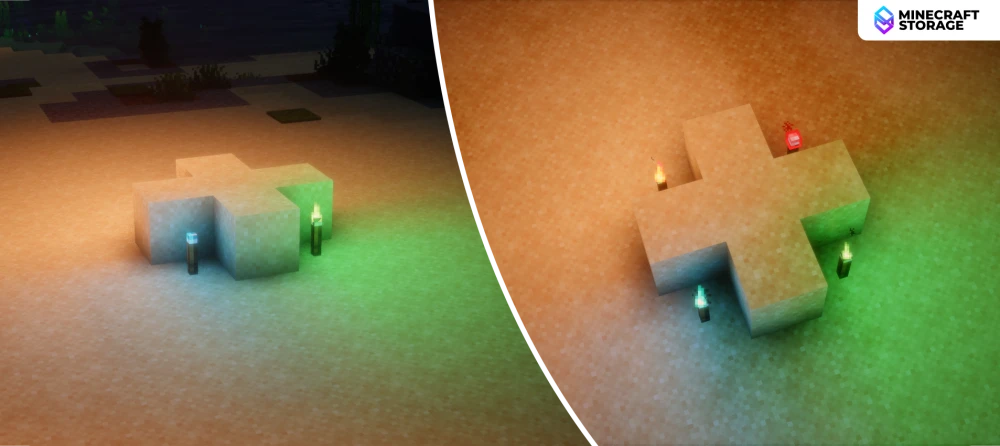
Lighting throughout the world now dynamically reflects the color of its source, rather than defaulting to a flat, uniform white or generic tint. For example, soul light casts a cool blue hue on nearby surfaces and mobs, while other light sources like torches, glowstone, or the End's environment impart their own distinct coloring based on what's actually producing the light.
Frosted Glass
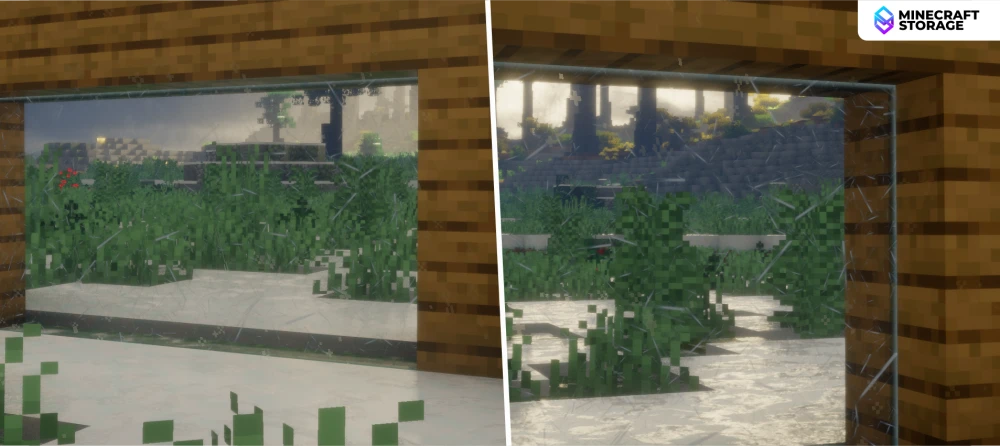
Windows and glass blocks in snowy biomes now develop a frost effect, visually tying the environment's temperature to the world around it. This makes cold biomes feel distinctly colder and more immersive, as frost creeps across glass surfaces just like in real winter conditions. It's a nice environmental storytelling touch that reinforces biome identity.
Rain Puddles and Splashes
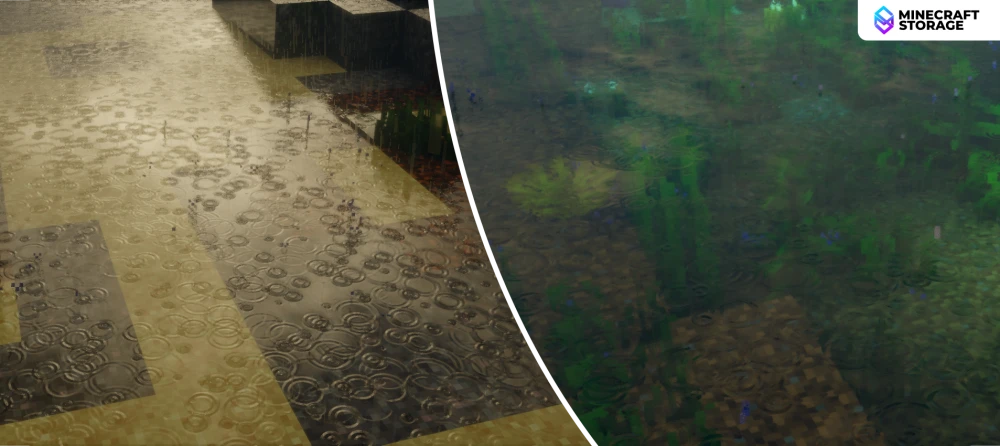
During rainfall, puddles now form dynamically on appropriate surfaces, adding reflective wet patches that build up realistically as rain continues to fall. Alongside this, raindrops create visible splash effects when they hit the ground, giving impact points a sense of physical presence rather than rain simply disappearing on contact. Together, these effects make rainy weather feel far more tactile and immersive, closely mimicking how rain behaves and interacts with surfaces in real life.
Weather: Clear vs Rain vs Thunder (Atmospheric)
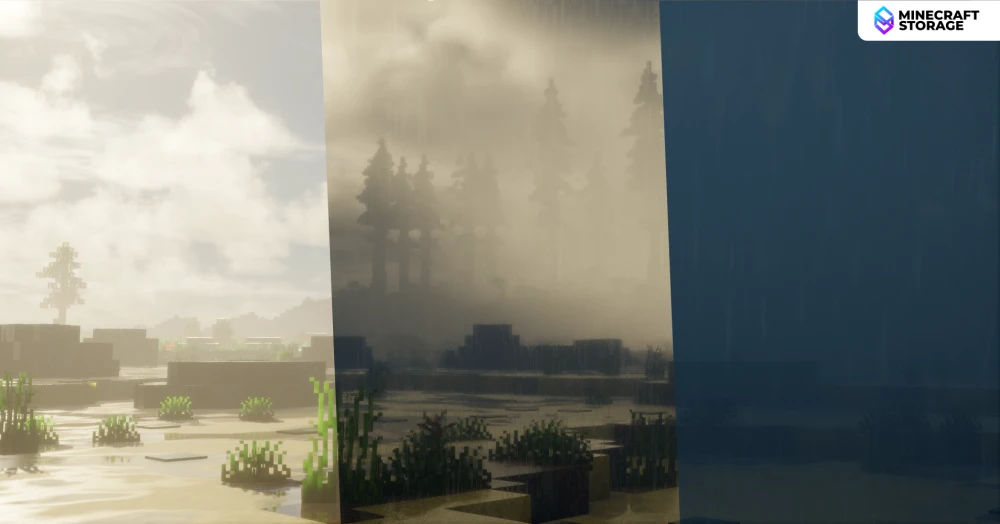
The shader now visually differentiates between clear, rainy, and thunderstorm weather through distinct atmospheric shifts, rather than just toggling a rain texture on and off. Clear skies feel bright and open, rain brings darker, moodier lighting along with the puddle and splash effects, while thunderstorms intensify this further with heavier shadows, dramatic lighting flashes, and a more oppressive overall atmosphere. This layered approach to weather makes each condition feel meaningfully different, adding to the immersion and emotional tone of the environment as it changes.
Emissive Blocks
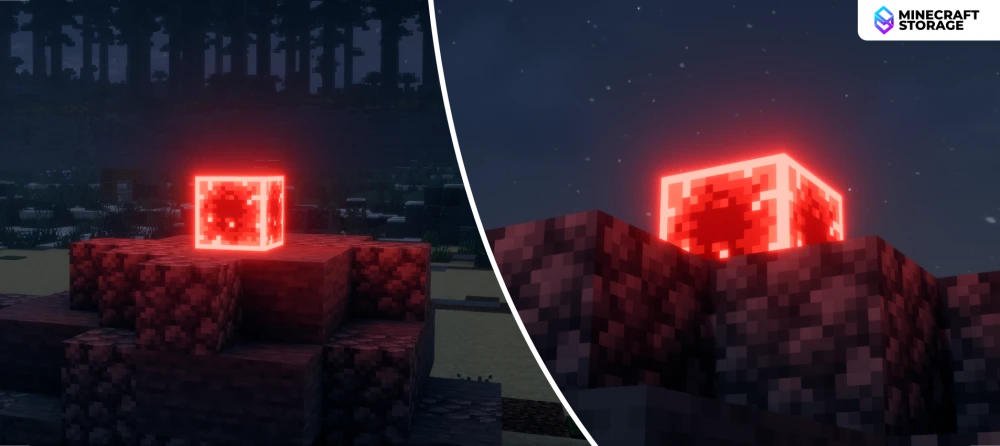
Light-emitting blocks such as Redstone now glow more vividly and visibly, making their light sources pop rather than blend into the environment. This improves both aesthetics and functional clarity, since players can more easily spot active Redstone components or other glowing blocks at a glance. It enhances the sense that these blocks are genuinely emitting light rather than just being lit from outside.
Enchanting Table Spirals
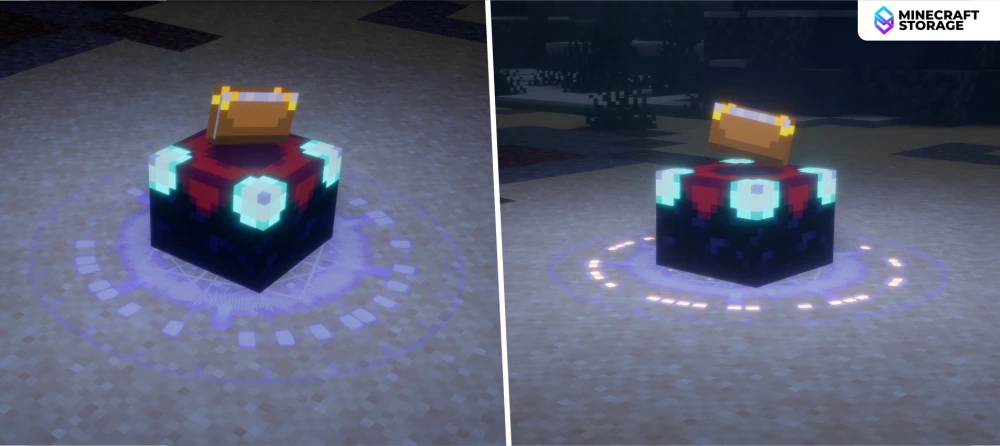
The enchanting table is now surrounded by magical spiral effects, enhancing its mystical presence in the world. This makes the enchanting process feel more special and visually engaging rather than just standing near a static block with floating letters. It's a small atmospheric touch that fits the "magical" theme of the block perfectly.
Reflections on Key Blocks
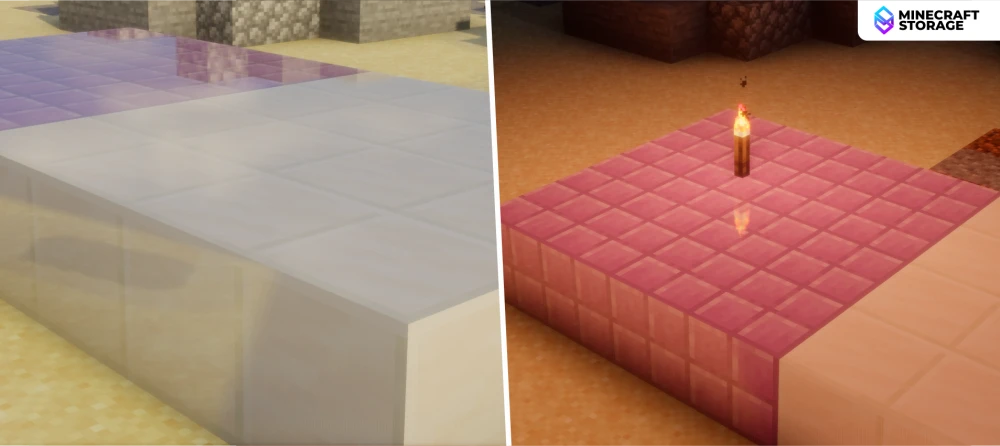
Specific blocks like quartz and purpur now display reflective surfaces, giving them a glossy, premium look that stands out from flat vanilla textures. This is especially effective for builds using these blocks decoratively, as light now interacts with them in a more realistic way. It adds a layer of visual richness to otherwise simple building materials.
Fixed Blue Fire Color Correction
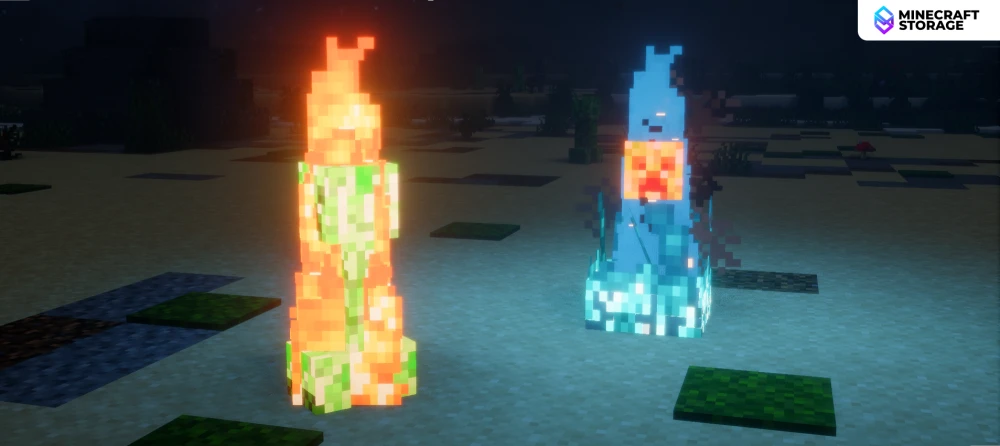
This fix ensures mobs burning near soul fire display the correct blue-tinted color instead of a visual bug or mismatch. Additionally, soul light now properly tints the player's skin and certain mobs blue when nearby, creating a more cohesive and eerie visual effect. It's a polish fix that makes soul-related lighting interactions look intentional rather than glitchy.
Soul Presence (Souls at Screen Edge)
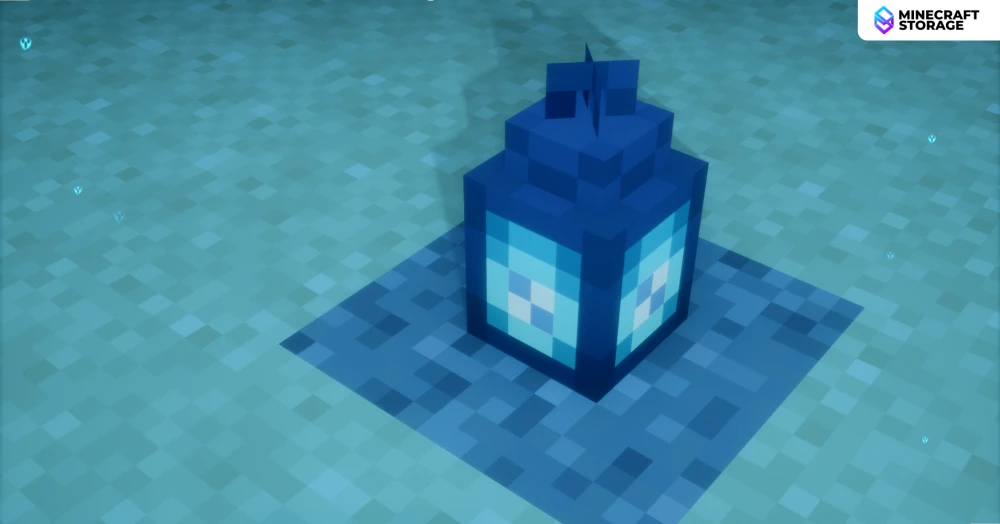
Configurable through Emanrux's "Soul Presence" option, ghostly souls now appear at the edges of the screen when the player is near soul light sources like soul fire or soul lanterns. This adds an eerie, otherworldly ambiance to areas lit by soul light, reinforcing their spooky, supernatural theme. Being toggleable means players can enable or disable it based on their preference for horror-style atmosphere.
Enhanced Ores
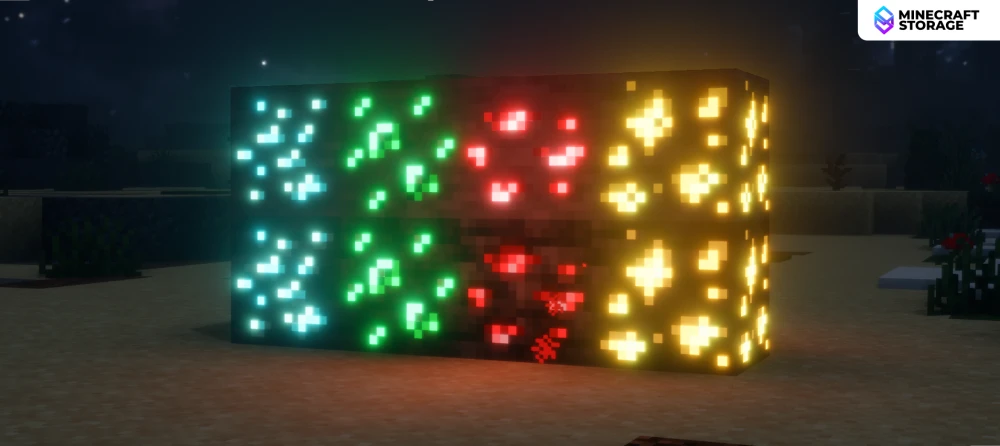
Ores are now brighter and more visually distinct within stone, making them easier to spot while mining. This is both a cosmetic and quality-of-life improvement, since it reduces the chance of missing valuable ores in dimly lit caves. The added visibility works well alongside the shader's other lighting enhancements to make mining more satisfying.
Custom Nether Portal
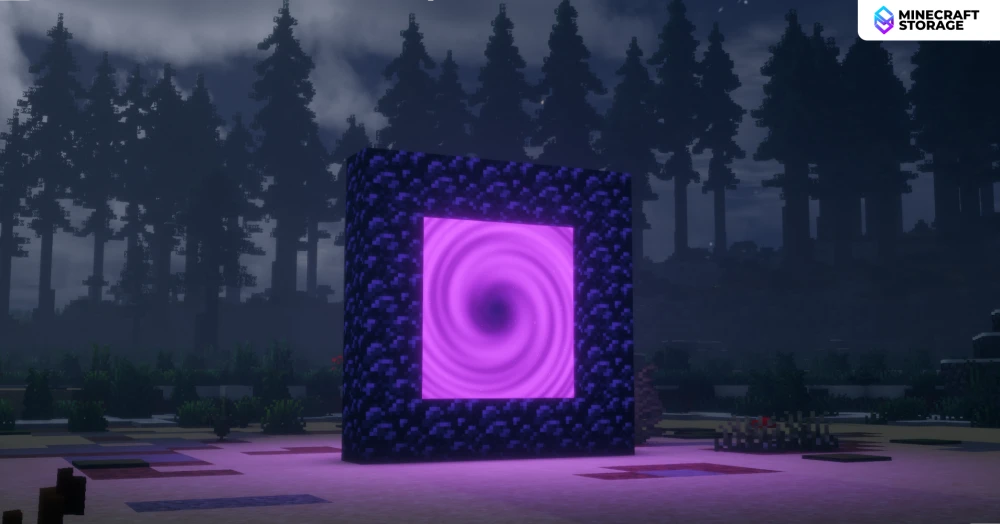
Nether portals now feature a unique spiral effect instead of the standard swirling purple texture, giving them a more mesmerizing, otherworldly appearance. This makes traveling between dimensions feel more special and visually distinct. It's a small but effective way to make a frequently-used mechanic feel fresh.
Galaxy Sky
The night sky has been transformed to include stars, planets, and even black holes, turning it into a genuine galaxy-like backdrop. This dramatically elevates the sense of scale and wonder when looking up at night, especially compared to vanilla's simple starfield. It pairs well with the shader's other space-themed additions for a cohesive cosmic aesthetic.
Complete End Dimension Overhaul
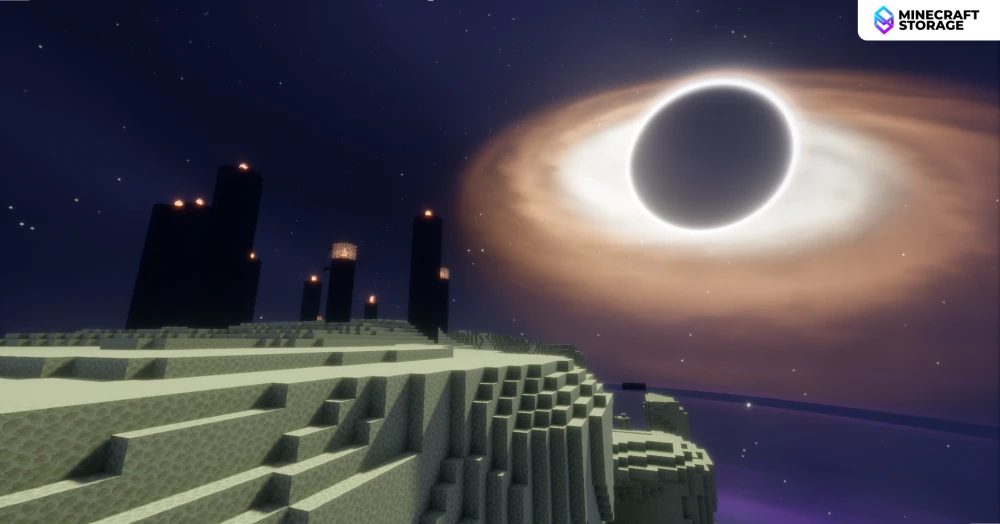
The End has received a full visual overhaul, including new lighting, shadows, and color grading that respond dynamically to the dimension's light sources. A moving black hole has been added as a centerpiece, and looking directly at it triggers a screen shake and zoom-in effect for dramatic impact. This transforms the End from a fairly flat, empty-feeling dimension into a visually striking and dynamic space.
End Gallery
Performance Boost
The "Shader Grass" effect has been removed specifically to boost FPS, indicating it was a resource-intensive feature relative to its visual payoff. This trade-off prioritizes smoother gameplay over a decorative touch, which is especially valuable for players on lower-end hardware. It shows the developer balancing visual ambition with practical playability.
Conclusion
Altogether, Emanrux touches nearly every visual aspect of the game — from glass, ores, and light sources to full dimensional overhauls of the Nether and End. The additions aren't just cosmetic flourishes; features like dynamic weather, source-dependent lighting, and atmospheric effects like meteors and wandering dragons work together to make the world feel more alive, reactive, and immersive than ever before. Combined with meaningful performance optimizations like cloud reduction, code cleanup, and the removal of resource-heavy features like Shader Grass, this update strikes an impressive balance between pushing visual fidelity forward and keeping the shader accessible and playable across a range of hardware.
What's Next
